
Practical Integration of Manual Therapy and Neurorehab for Chronic MSK Conditions
Part 1: Upper Limb (1-Day On-Site Seminar)
Seminar Overview
This intensive, practical course integrates extremity manipulation and mobilisation techniques with clinical neurology. Part 1 explores how neurologically driven muscle imbalances and poor proximal stabilisation lead to chronic upper limb conditions.
Participants will master targeted extremity adjustments while learning to rehabilitate the cerebellum, optimise proprioceptive afferentation, and improve central processing for comprehensive, system-wide motor recovery.
Practitioners and students of all registered manual therapy disciplines are welcome to attend this seminar (chiropractors, osteopaths, physiotherapists, naprapaths).
Date: Saturday, 7th November 2026
Time: 9:30 – 18:30 (GMT)
CPD / CE Credits: 8 hours
Location: Retford, UK
Registration Fee: £210
Course Objectives
- Pinpoint the neurological root causes underlying chronic upper extremity conditions.
- Evaluate cerebellar function to determine its impact on proximal stability and muscle tone.
- Perform precise extremity adjustments designed to optimise proprioceptive feedback and restore movement.
- Incorporate fast-stretching and post-isometric relaxation (PIR) techniques into advanced manual protocols.
- Formulate comprehensive rehabilitation plans aimed at restoring central motor control.
1. The Neurological Core of Chronic Limb Conditions
- Pathomechanics of Chronic Extremity Injuries
- Why local tissue treatments fail in chronic conditions
- Neurological-driven muscle imbalances
- Poor proximal stabilisation: The basis of many limb motor control deficits
- The Cerebellum as the Central Coordinator
- The cerebellum’s role in the genesis of muscle imbalances
- Motor error correction, predictive coding, and feed-forward stabilisation
- How cerebellar motor control deficits manifest as peripheral joint vulnerability
2. Assessment and Neuro-Rehabilitation of the Cerebellum
- Clinical Localisation and Testing
- Low-tech, rapid examination of the cerebellum
- Targeted Cerebellar Rehabilitation
- Rehabilitation of the lateral, intermediate and midline cerebellum through a combination of manual therapy and function-specific exercises
- Cervical Spine Influences on Upper Limb Function and Dysfunction
- Importance of feedforward activation of the cervical spinal muscles during limb movements
- Assessment and treatment of neck proprioceptive deficits
3. Extremity Techniques for the Upper Limb
- Extremity Adjusting
- High-velocity, low-amplitude (HVLA) adjustments for maximum mechanoreceptive afferent drive
- Joint mobilisation techniques
- Neuromuscular Integration
- Fast-stretching techniques with tendon pre-load: to address muscle imbalances driven by hypertonicity
- Modified post-isometric relaxation (PIR): a strategy to downregulate hypertonic muscles whilst improving motor control
- Condition-specific sequential blending of PIR, fast-stretching, and osseous manipulation in a single treatment window
4. Practical Integration – ‘Putting It All Together’
- The Shoulder Complex
- Rotator cuff tendinopathy and impingement
- Thoracic outlet syndrome
- Shoulder instability
- Cerebellar exercises paired with manipulation, mobilisation, fast-stretching, PIR and specific soft tissue techniques
- The Elbow and Forearm
- Chronic lateral and medial epicondylitis
- Median, radial & ulnar nerve entrapment syndromes
- The Wrist and Hand
- Carpal tunnel syndrome, Guyon’s canal syndrome
- Repetitive strain injury
- Chronic post-fracture stiffness and loss of function
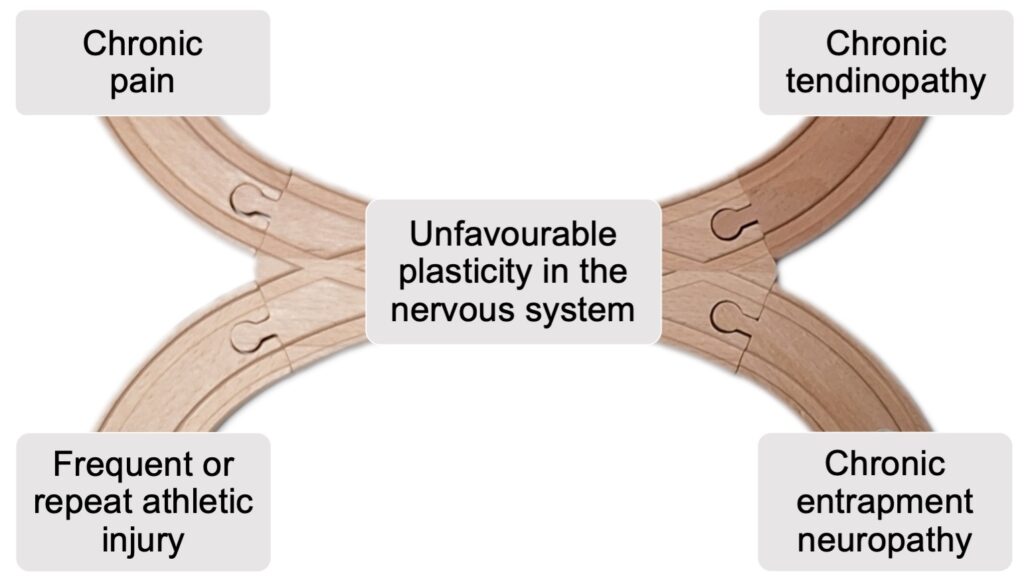
The seminar will be interactive, and focused on practical clinical applications.
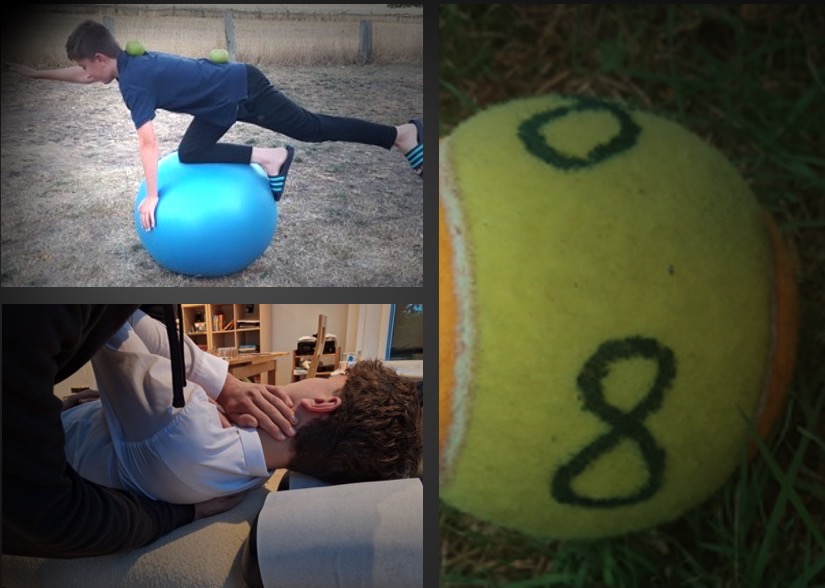
A comprehensive set of course notes will be emailed to you in advance of the seminar.
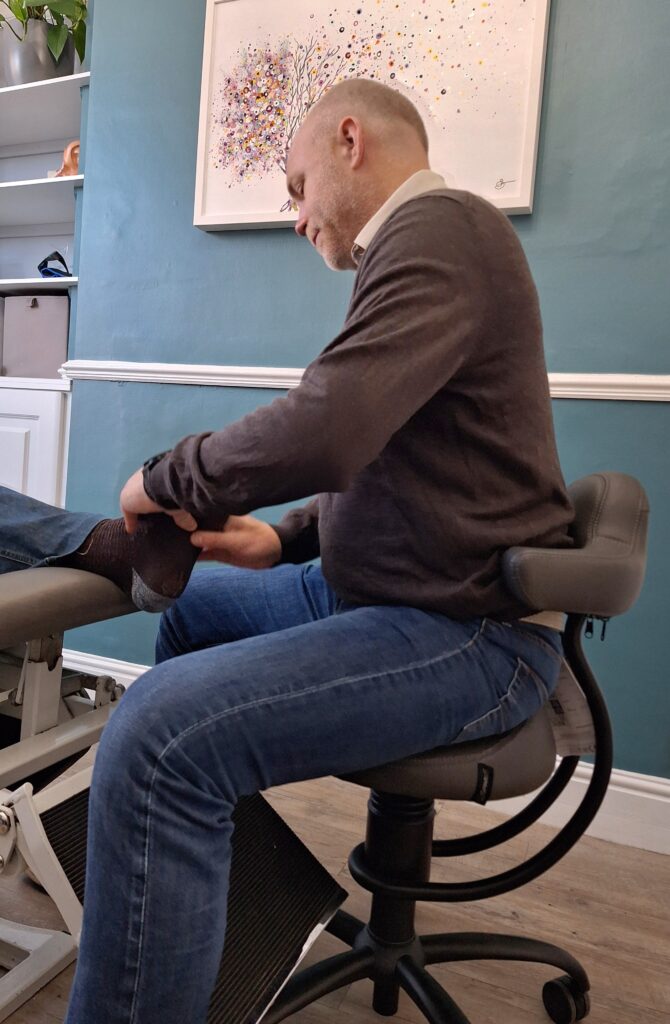
Videos of the practical techniques will be made available to you after the seminar
Date: 7th November 2026
Time: 9:30am – 6:30pm
Location: Retford Chiropractic Wellness Centre, 67 Grove St, Retford DN22 6LA, UK
Registration fee: £210 (British Pounds) / €247 (Euros)
Please contact nicole@neuroseminars.co.uk if you require any further information.
Our Retford venue hosts a maximum of 20 attendees, ensuring you receive plenty of personalised attention during your practical sessions. Conveniently located in Nottinghamshire just off the A1, the venue offers free on-site parking. If you are travelling by train, the local station is within walking distance and is well-served by the East Coast Mainline (LNER & Hull Trains) and Northern Rail.
Because this is a highly hands-on, practical course, we are unable to offer an online streaming option.
Complimentary tea, coffee, and snacks will be provided during your morning and afternoon breaks. Please note that lunch is not included in the registration fee.
Seminar Instructors:
Karl Martin Stålaker, DC, MChiro, BSc, MSc(MSK Neuroscience)
Karl graduated from Macquarie University, Sydney in 2006. He practiced as a chiropractor in Spain for several years before returning home to Norway in 2010. During his time at university, he developed a special interest in jaw problems, balance disorders, vertigo, headaches and chronic pain, which he has pursued in his postgraduate studies. He has completed his Masters of Musculoskeletal Neuroscience, with the focus of his studies on chronic pain and central sensitisation. Karl has taught several TMJ workshops for the Norwegian Chiropractic Association’s Regional New Graduate Development Programme, and he has previously instructed extremity technique as a regular guest lecturer at Barcelona College of Chiropractic. Karl also presented at the Swedish Chiropractic Association’s 2019 Autumn Conference on the subject of TMJ influences on the vestibular system.
Nicole Oliver, DC, MChiro, BSc(Hons), PgDip(MSK Neuroscience)
Nicole graduated from the Anglo-European College of Chiropractic (AECC) in 2005 and began studying functional neurology in 2006. She gained the Diplomate of the American Chiropractic Neurology Board (DACNB) qualification four years later. Alongside clinical practice she lectures for Neuroseminars, teaching functional neurology to chiropractors, osteopaths, physiotherapists and other health care professionals in the UK and Europe. Nicole has presented at several conferences and conventions, including the 2014, 2016 & 2026 European Chiropractors Union (ECU) Conventions, the 2019 World Federation of Chiropractic (WFC) Congress, and at the annual or biannual conferences/ meetings of the Swiss, German, Norwegian, Belgian, Finnish, Swedish, Irish and Scottish national associations.